Thank you for all the photos.
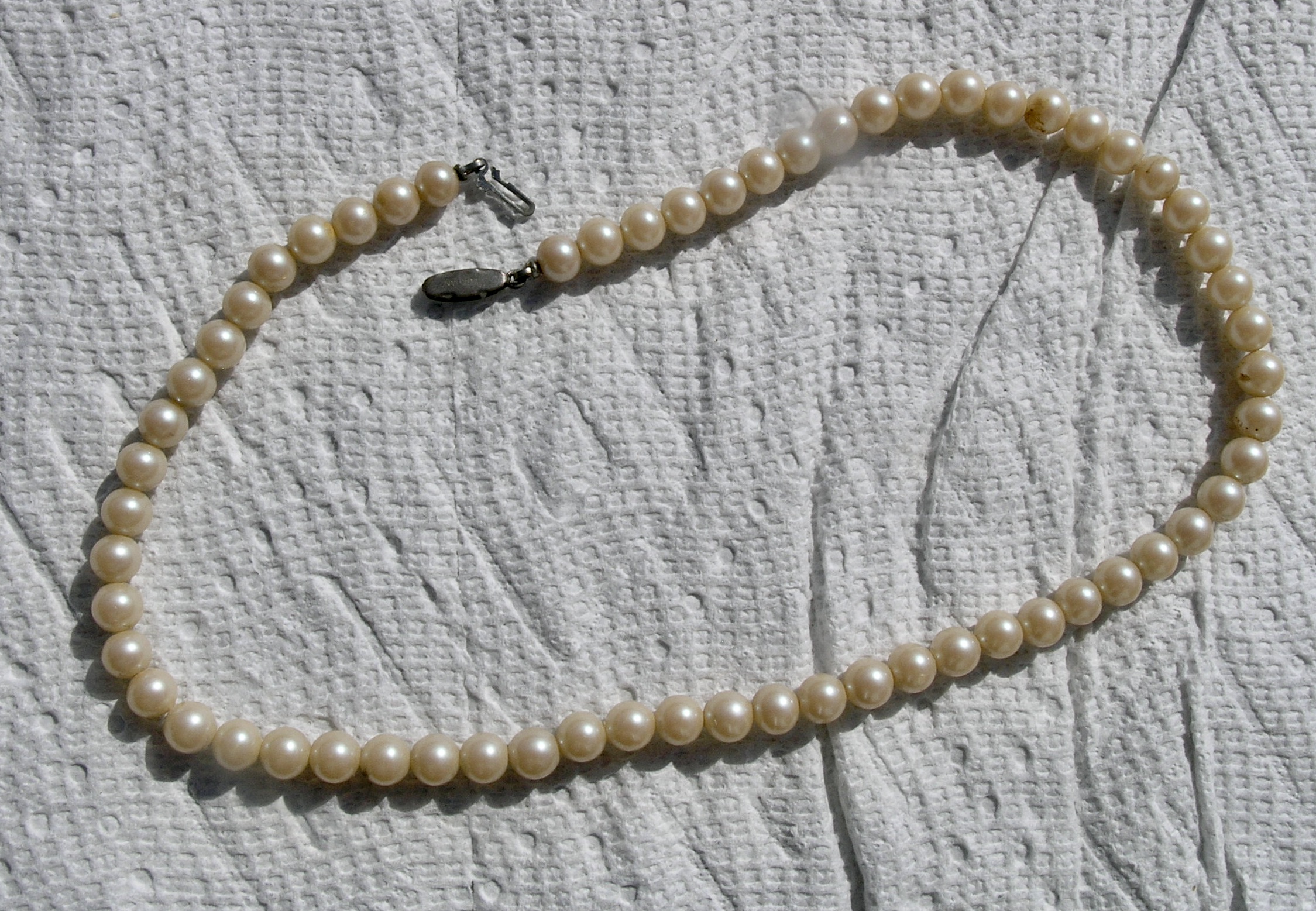
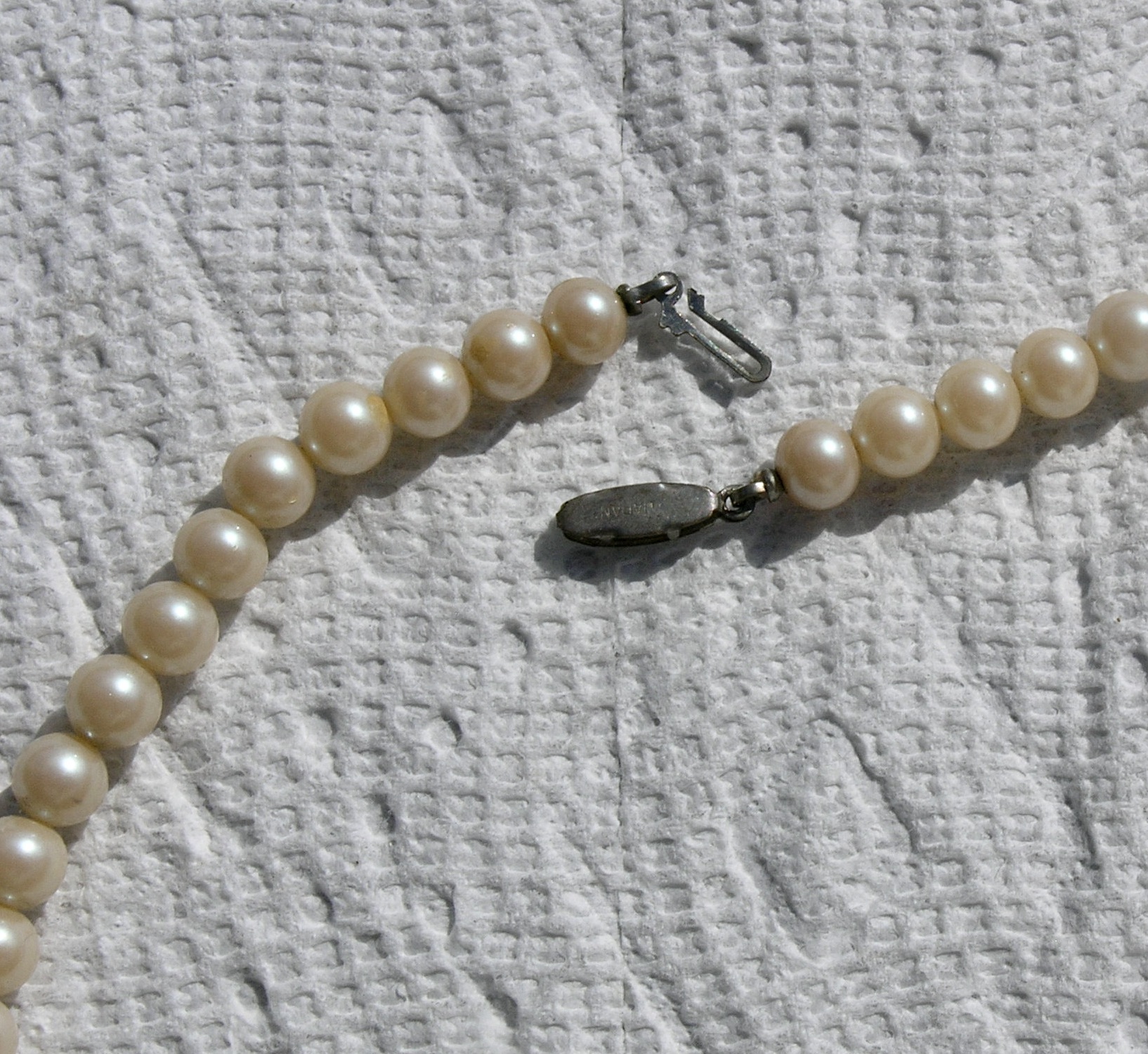
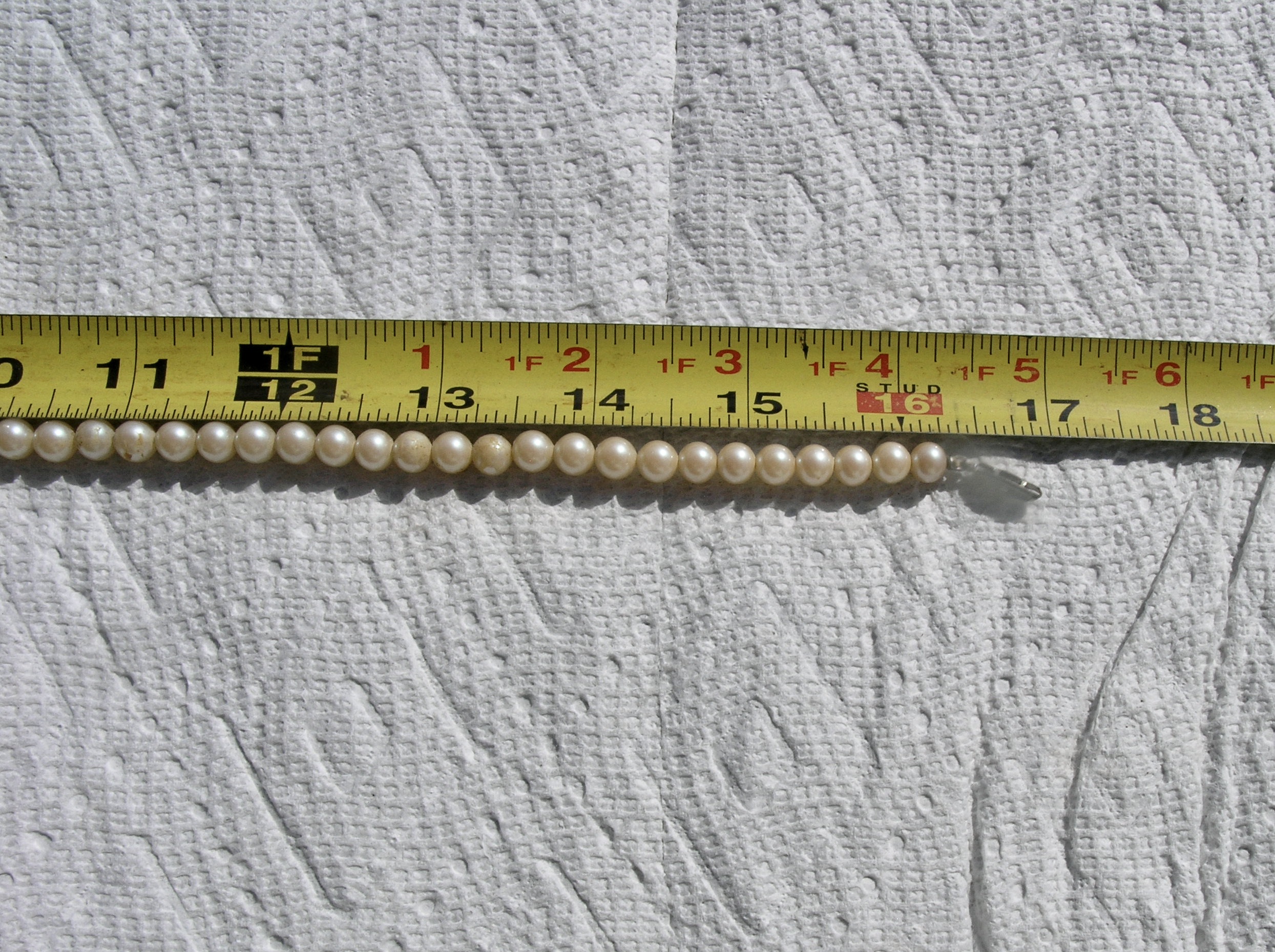
As this is posted in Identify My Pearls, I assume you would like our evaluation of them.

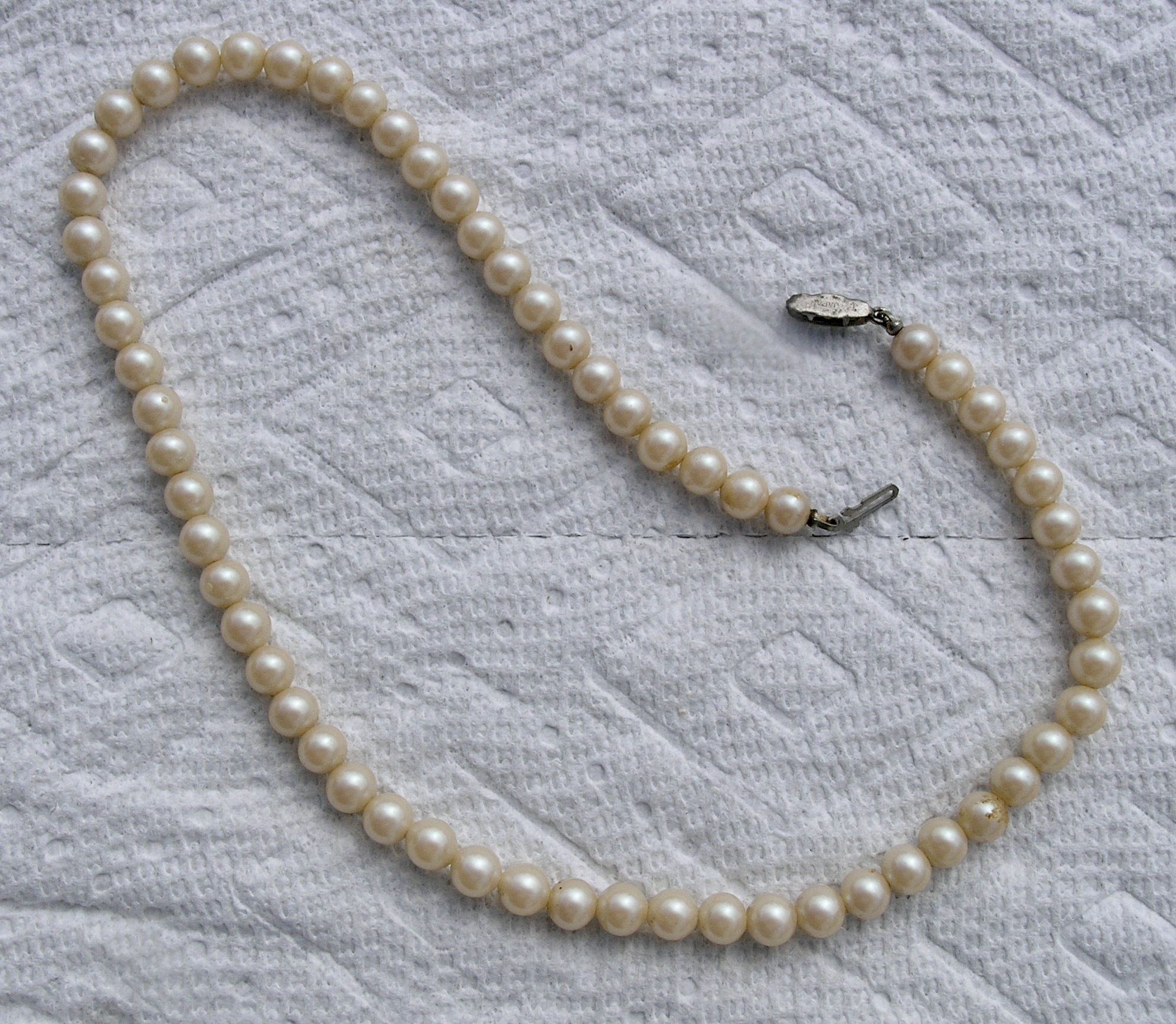
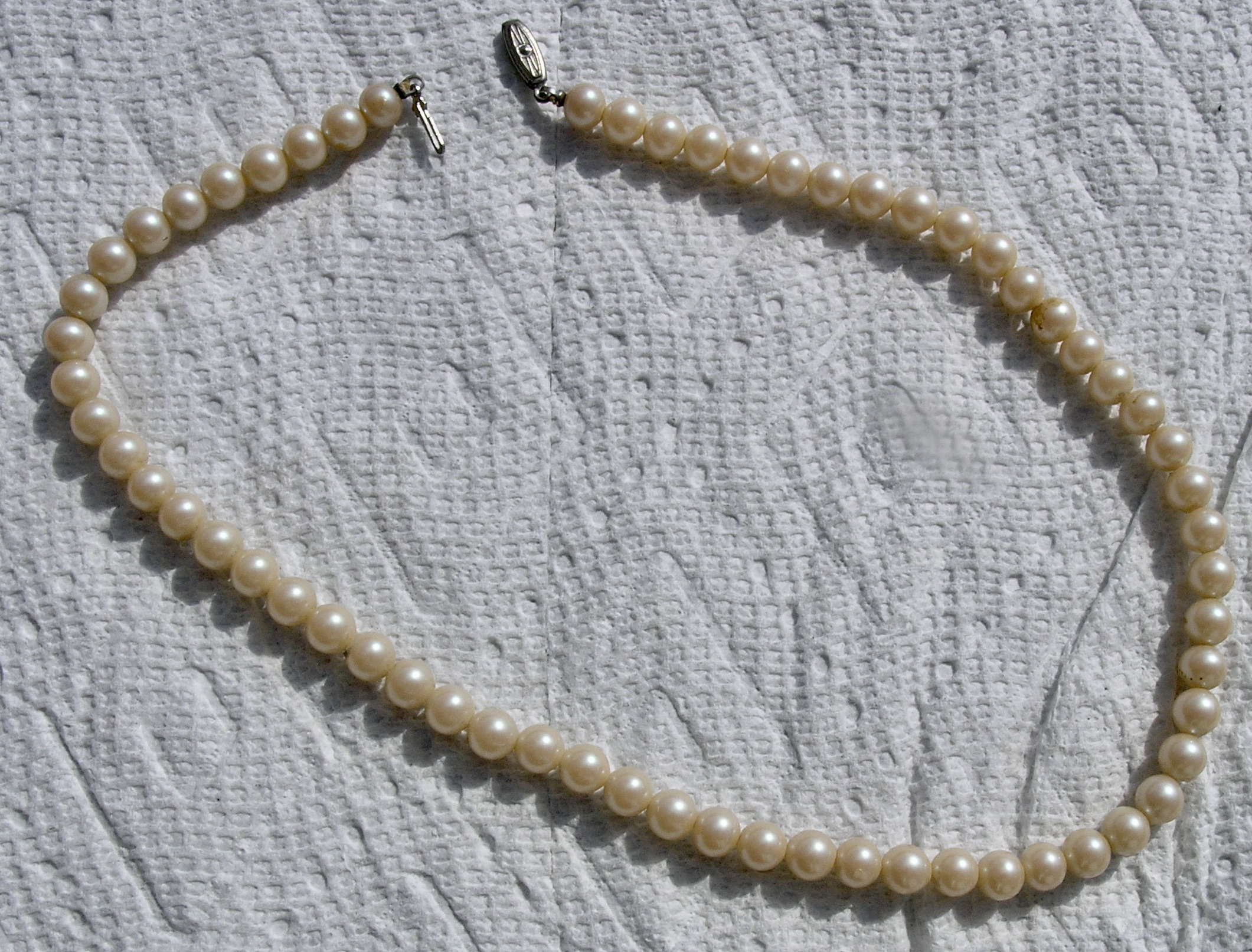
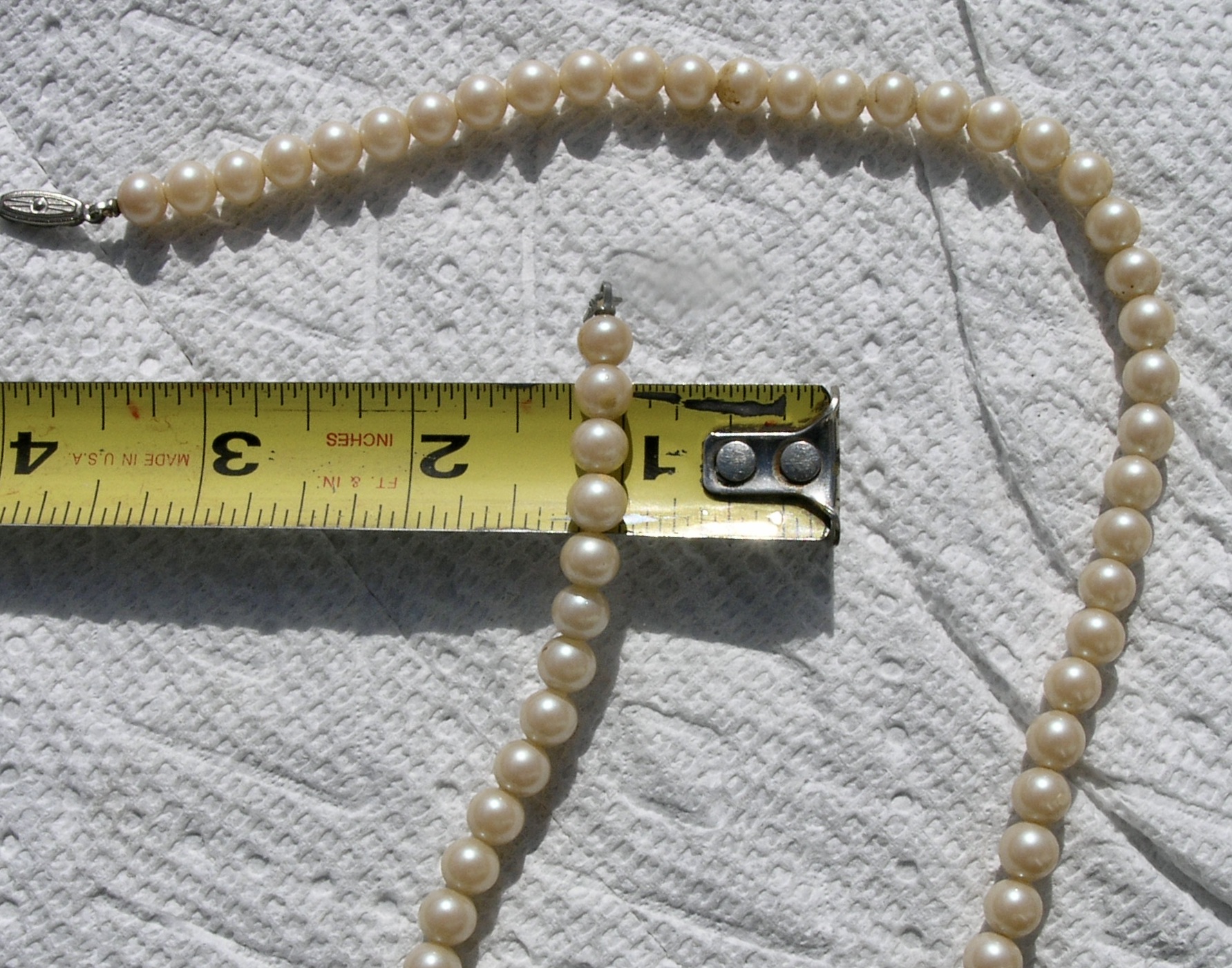
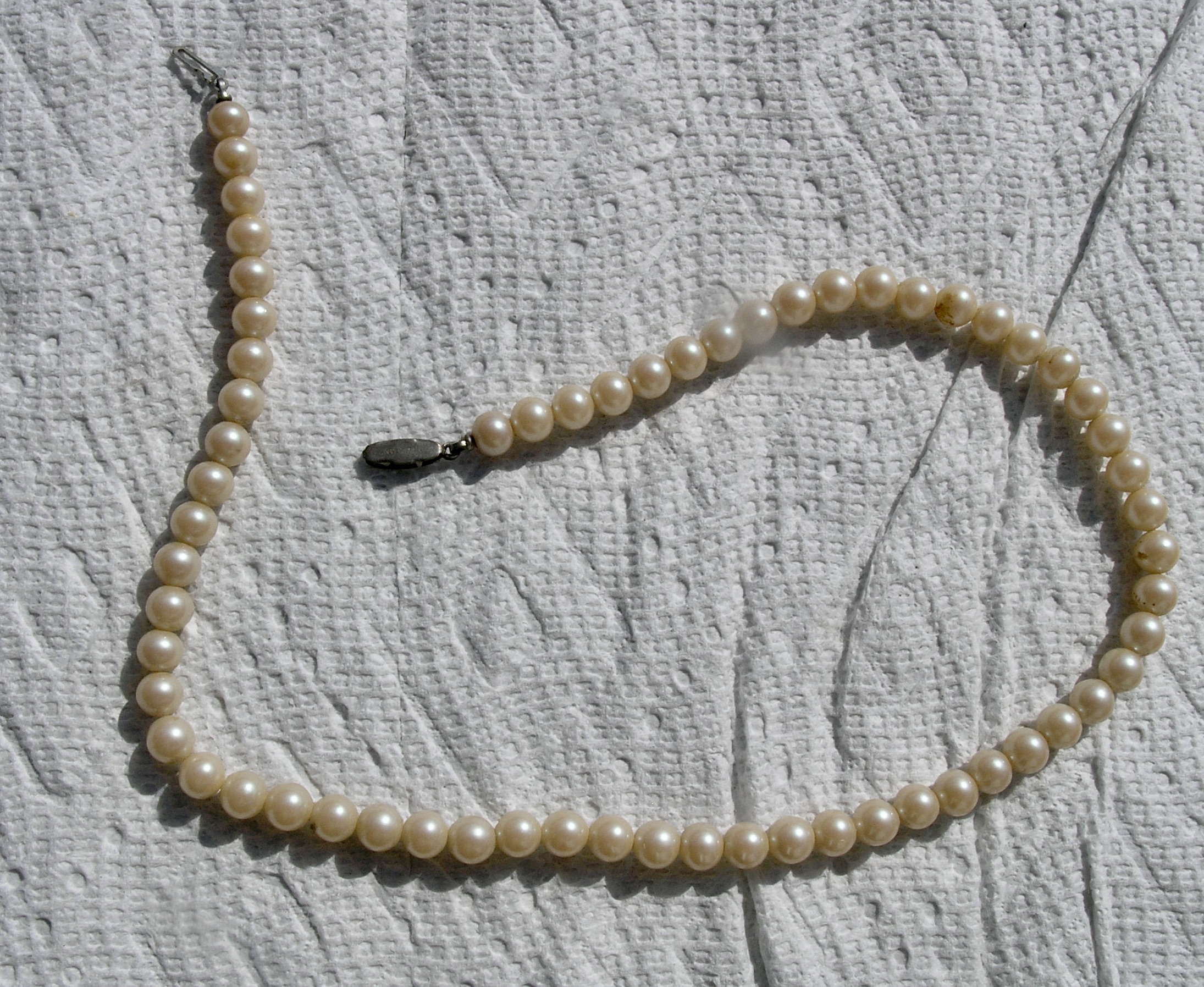
I have to say that my immediate impression, supported by looking closer at marks on the surface of the pearls, is that these are imitation pearls. They are also very uniform in tone and luster (as far as I can tell), which is generally not what you see in real pearl necklaces. Uniformity is common in imitation strands.
I hear what you say about your grandmother's wealth, but imitation pearls have been owned and worn by wealthy and famous ladies including Coco Chanel, Jackie Kennedy (her famous 3 strand necklace), Barbara Bush, and even the wealthy Gilded Age NY socialite Caroline Astor (after her death, it was discovered that 90 of the pearls in her 5 strand necklace were imitation). Brooke Astor stated that she wore imitation pearls when at her country home.
I also hear you say they are gritty, but they have a great deal of accumulated grime on them (clearly they were well loved and worn a lot), which would interfere with getting an accurate result from rubbing the pearls together.
Here is my suggestion: clean them first (instructions below) then redo your tests. In addition to the
rubbing test, try the
temperature test and the
loupe test.
1. Temperature test. Real pearls are cooler than imitation pearls that are made from glass or plastic beads. To do this test, place your grandmother's pearls in a room with some other pearls that you know to be real, or that you know to be fake. Let them stay in that room for half an hour or so (so they are in the same temperature environment), then touch them to your lips briefly, and repeat with the other pearls. What do you feel? Lips are very sensitive to temperature. Are your grandmother's pearls warmer or cooler than the other pearls?
2. Loupe test. Under 10x magnification, the surface of real pearls looks very smooth, while the surface of imitation pearls looks more coarse.
See this photo of Renee Newman's for comparison. The top photo is the fake pearl.
If you don't own a loupe, take them to a local jeweler and request to look at your pearls with their loupe, and compare with pearls they have for sale in their case.
To clean the pearls:
Warm some distilled water (to help dissolve oily grime) and add a bit of mild soap. Place the pearls in the solution and let them sit there for 15-30 minutes. They are very grimy so it may take time for the residue to soften. Then use a soft cloth / cotton swabs/ a very soft brush to gently ease off the grime. When they are clean, rinse them in more distilled water and leave the necklace to dry on a towel for 12 hours or so. (Wet silk is weak-- you want to be sure it has dried before moving them again.)
Then do the tests again. If you like, take more photos and post them. It may be the grime has obscured their true nature.
Edited for spelling. Typed too fast!



 but it reminds me of her.


