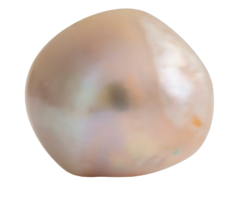
The Columbus Pearls project is an ongoing historical and scientific research archive centered on the early Caribbean pearl fisheries and an associated assemblage of natural saltwater pearls dating to the early Columbian era.
The project combines archaeology, gemology, oceanography, radiocarbon dating, and colonial history related to the sixteenth-century pearl fisheries of the southern Caribbean — one of the earliest extractive industries in the Americas and an important catalyst in the formation of the early Atlantic world.
Seasonal oceanic upwelling systems created extraordinarily rich pearl oyster beds along the southern Caribbean coastline, supporting vast populations of oysters for centuries before European arrival. Within only a few decades of Spanish exploitation, many of these banks had been severely depleted. Contemporary sources including Las Casas and Oviedo describe systems of forced Indigenous labor, violence, mass mortality, and the early introduction of enslaved Africans into the fisheries.
Scientific testing performed by GIA, DANAT, Gübelin Gem Lab, the University of Arizona AMS Laboratory, and the University of Tokyo identified the assemblage as natural saltwater pearls dating approximately to 1455–1615 AD. Analytical work included radiocarbon dating, Raman spectroscopy, FTIR, UV-Vis-NIR spectroscopy, EDXRF chemistry, photoluminescence, and microradiography. Some specimens preserve evidence of Indigenous drilling traditions from the Caribbean societies encountered during Columbus’s third voyage in 1498.
The archive also includes an ongoing Codex exploring topics such as Indigenous pearl drilling techniques, sixteenth-century Spanish pearl classification systems, the ecological collapse of the oyster banks, the human cost of the fisheries, early Atlantic slavery, and the oceanographic conditions that made the southern Caribbean one of the richest pearl-producing regions in the world.
The exhibition and research history of the assemblage includes:
• Tucson Gem & Mineral Show (2016)
• Jewellery Arabia / DANAT Bahrain (2017)
• Hong Kong exhibition (2018)
• Guinness World Records certification (2021)
Researchers and specialists aware of or connected to aspects of the project include Dr. Kenneth Scarratt, Dr. Gaetano Cavalieri, Antoinette Matlins, Barry Block, Lore Kiefert, Klaus Schollenbruch, Stefanos Karampelas, Abeer Al Alawi, and others within the gemological and natural pearl community.
The archive is freely accessible for researchers, historians, gemologists, journalists, and anyone interested in the early history of pearls and the Atlantic world:
https://www.thecolumbuspearls.com
The project combines archaeology, gemology, oceanography, radiocarbon dating, and colonial history related to the sixteenth-century pearl fisheries of the southern Caribbean — one of the earliest extractive industries in the Americas and an important catalyst in the formation of the early Atlantic world.
Seasonal oceanic upwelling systems created extraordinarily rich pearl oyster beds along the southern Caribbean coastline, supporting vast populations of oysters for centuries before European arrival. Within only a few decades of Spanish exploitation, many of these banks had been severely depleted. Contemporary sources including Las Casas and Oviedo describe systems of forced Indigenous labor, violence, mass mortality, and the early introduction of enslaved Africans into the fisheries.
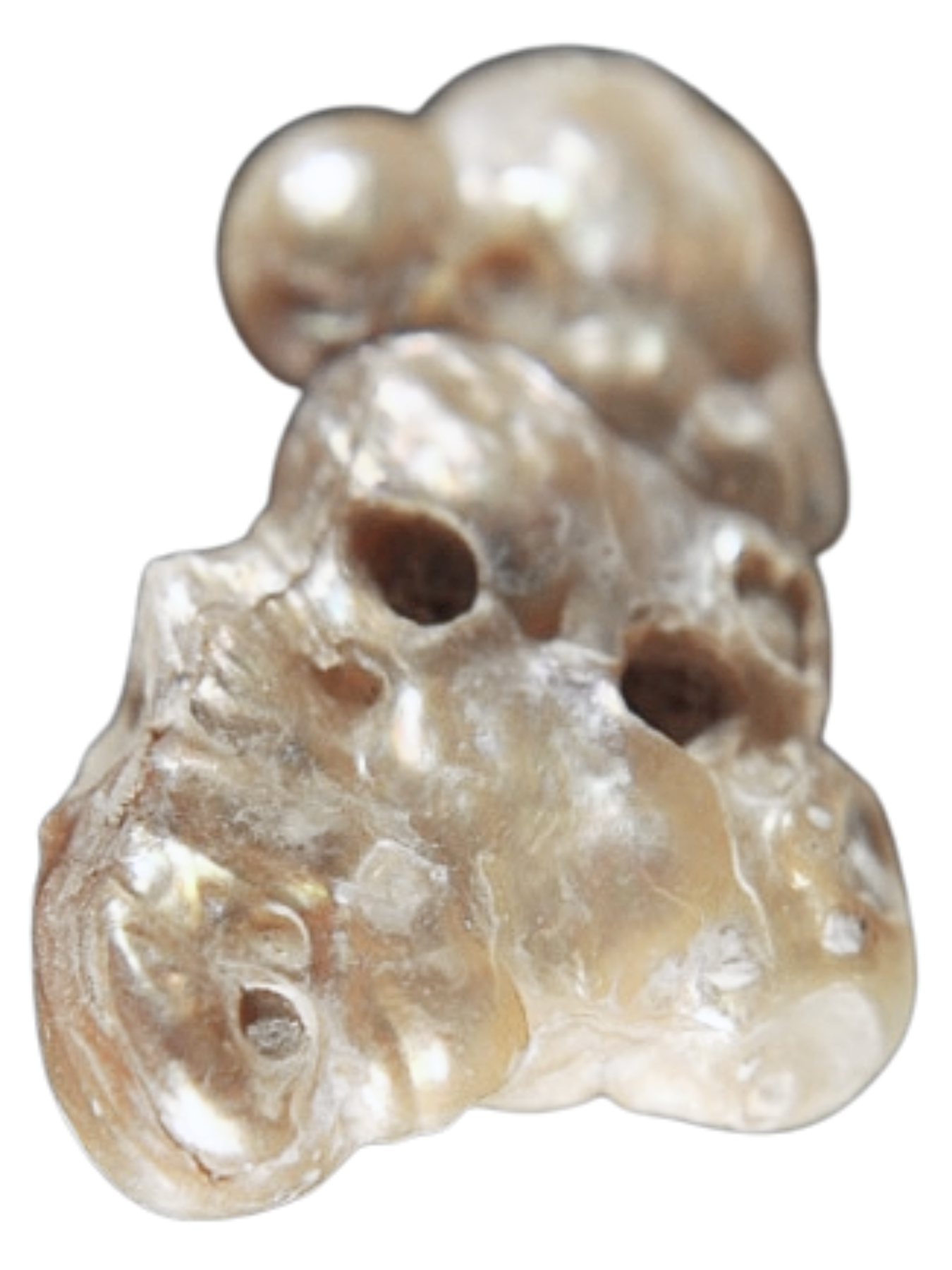
Scientific testing performed by GIA, DANAT, Gübelin Gem Lab, the University of Arizona AMS Laboratory, and the University of Tokyo identified the assemblage as natural saltwater pearls dating approximately to 1455–1615 AD. Analytical work included radiocarbon dating, Raman spectroscopy, FTIR, UV-Vis-NIR spectroscopy, EDXRF chemistry, photoluminescence, and microradiography. Some specimens preserve evidence of Indigenous drilling traditions from the Caribbean societies encountered during Columbus’s third voyage in 1498.
The archive also includes an ongoing Codex exploring topics such as Indigenous pearl drilling techniques, sixteenth-century Spanish pearl classification systems, the ecological collapse of the oyster banks, the human cost of the fisheries, early Atlantic slavery, and the oceanographic conditions that made the southern Caribbean one of the richest pearl-producing regions in the world.
The exhibition and research history of the assemblage includes:
• Tucson Gem & Mineral Show (2016)
• Jewellery Arabia / DANAT Bahrain (2017)
• Hong Kong exhibition (2018)
• Guinness World Records certification (2021)
Researchers and specialists aware of or connected to aspects of the project include Dr. Kenneth Scarratt, Dr. Gaetano Cavalieri, Antoinette Matlins, Barry Block, Lore Kiefert, Klaus Schollenbruch, Stefanos Karampelas, Abeer Al Alawi, and others within the gemological and natural pearl community.
The archive is freely accessible for researchers, historians, gemologists, journalists, and anyone interested in the early history of pearls and the Atlantic world:
https://www.thecolumbuspearls.com

 Watch on YouTube: The World History of Pearls | The Gem That Built Empires
  Prefer audio? Listen on Spotify:
  Full research archive: