

This is pretty much a part 2 of my previous post:
Australian akoya pearl - any good?
I finally decided to buy a pendant from Pearls of Australia, a pearling company known for selling akoya pearls harvested from their Broken Bay pearl farm.
The parcel didn't take long to arrive.
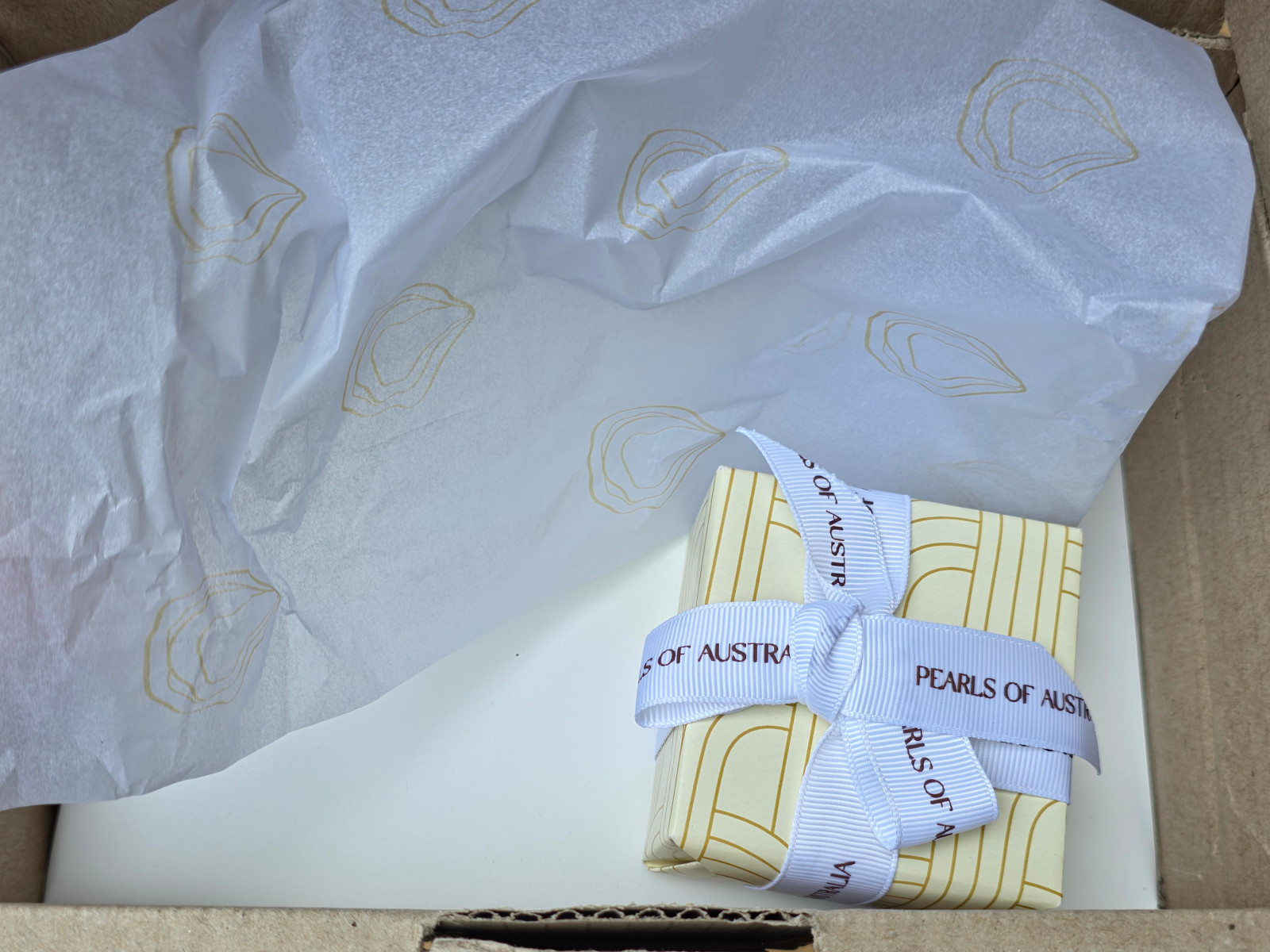
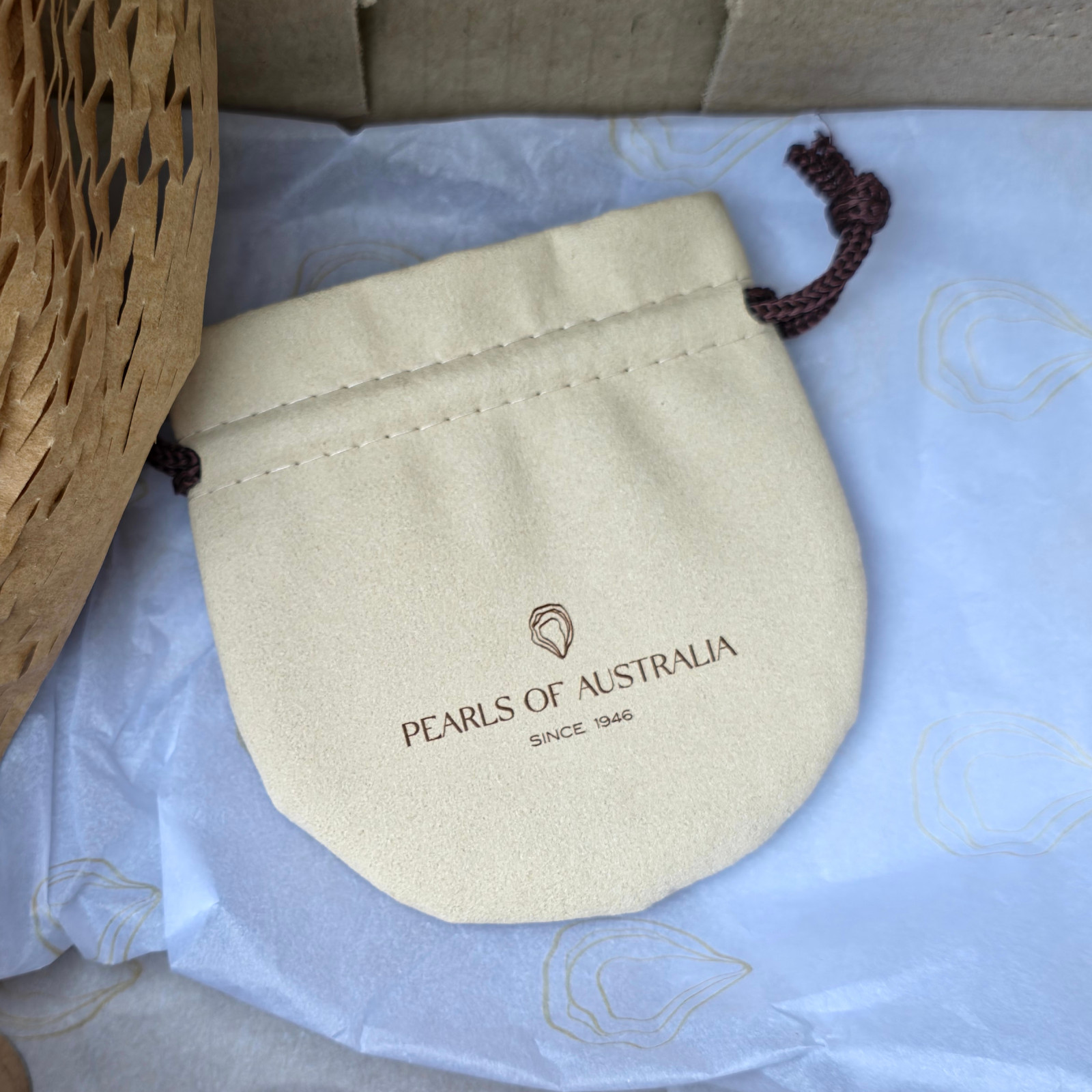
The parcel contains a thankyou card, a gift box with the pendant inside, an envelope with the receipt and a brochure about their farm, and a cute little jewellery pouch.
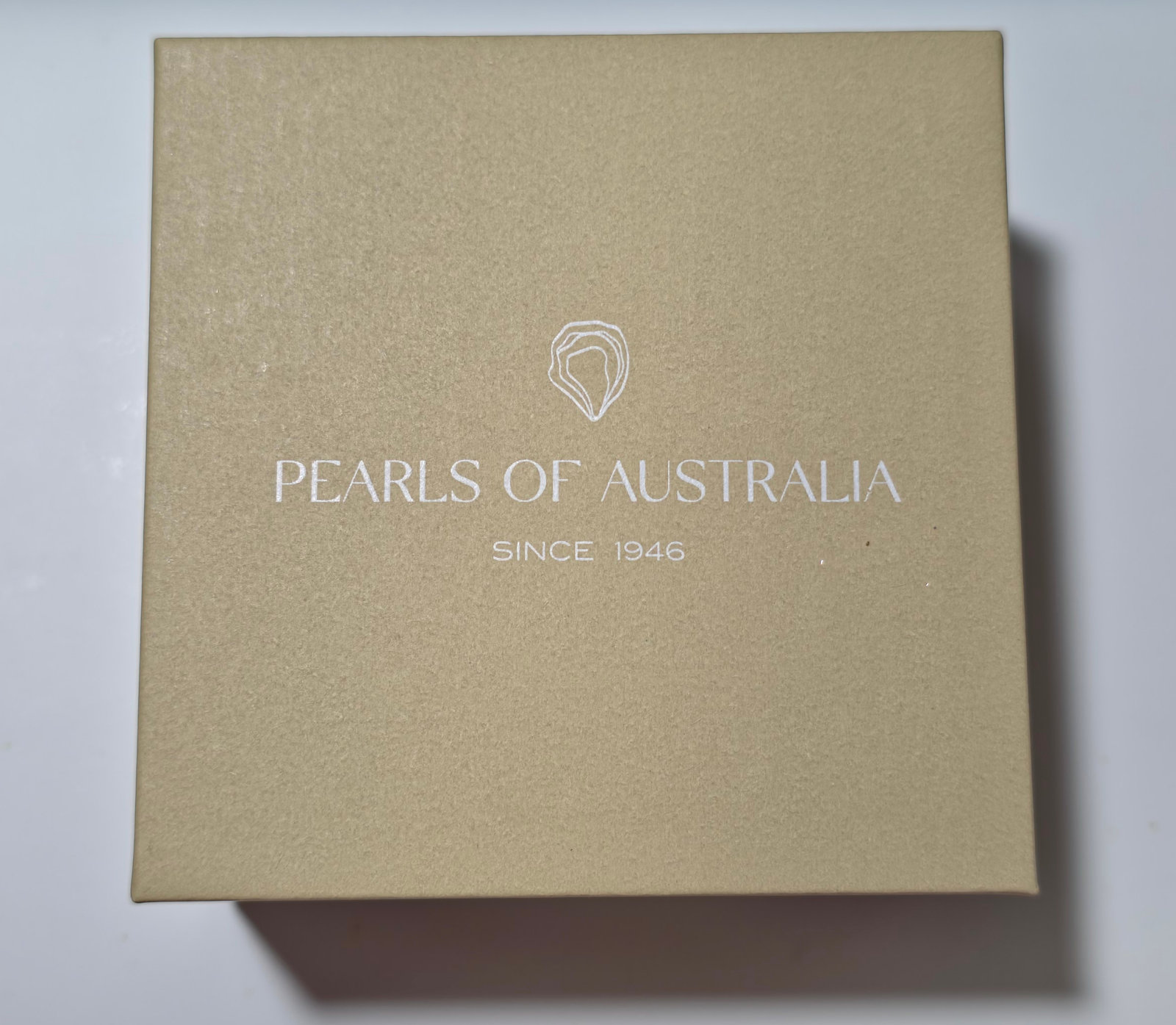
The gift box is a simple cardboard box with the name and the logo of the company printed on it. I like the understated design.
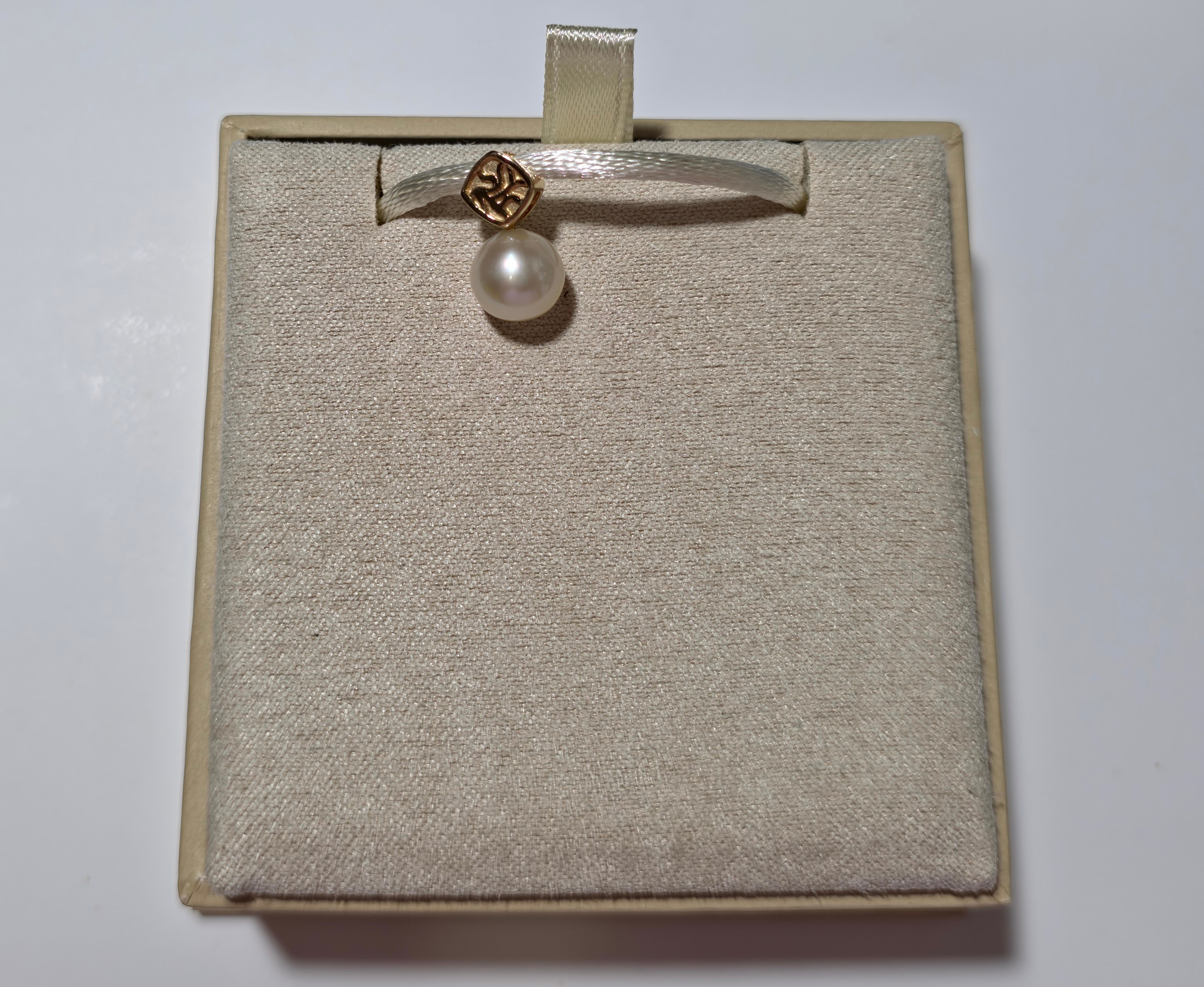
There it is, the seagrass pearl pendant.
According to the company, Seagrass Collection is inspired by the flowy seagrass growing in their pearl farm. Aside from the neoprene bracelets, jewelleries from the collection all feature one or more small, squarish seagrass motifs made of gold, complimented by untreated akoya pearls grown and harvested from Broken Bay pearl farm.
Item description of the pendant:
The gold motif is available in yellow gold, white gold and rose gold, each with 9kt and 18kt option. I chose 18kt yellow gold.
Close-up photos of the pendant:
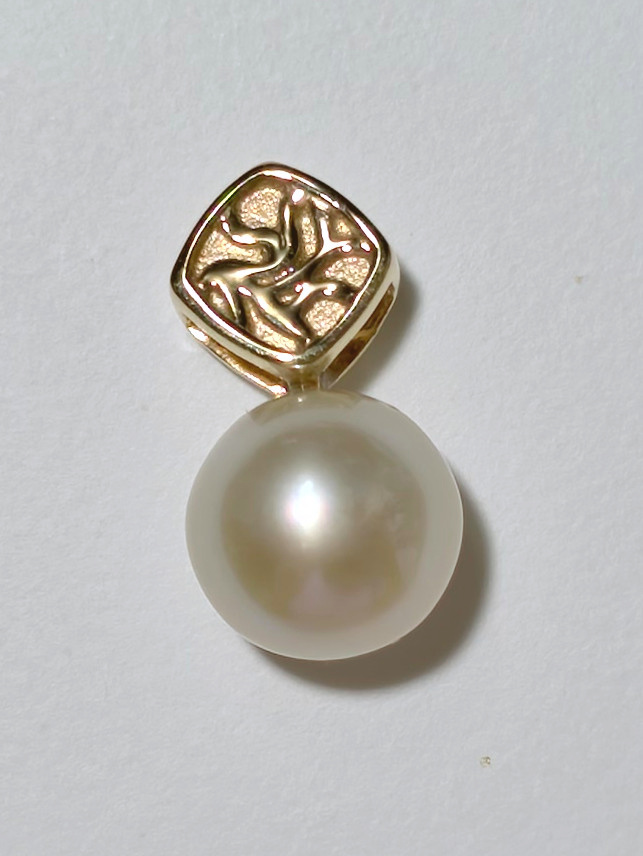
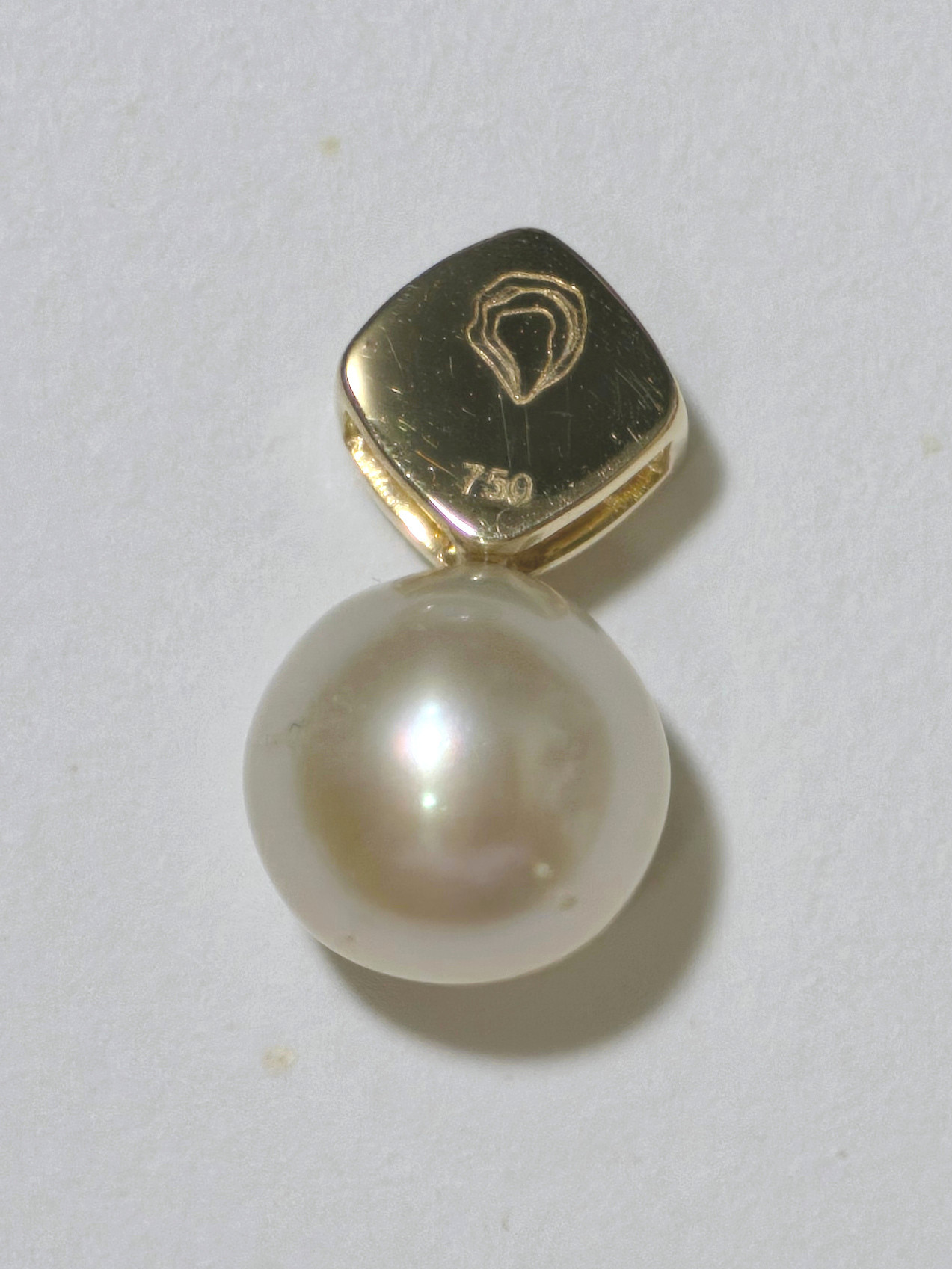
The bail features a mirror-polish seagrass motif on a matte background. The company logo and a 750 (18kt) gold stamp is on the back of the bail.
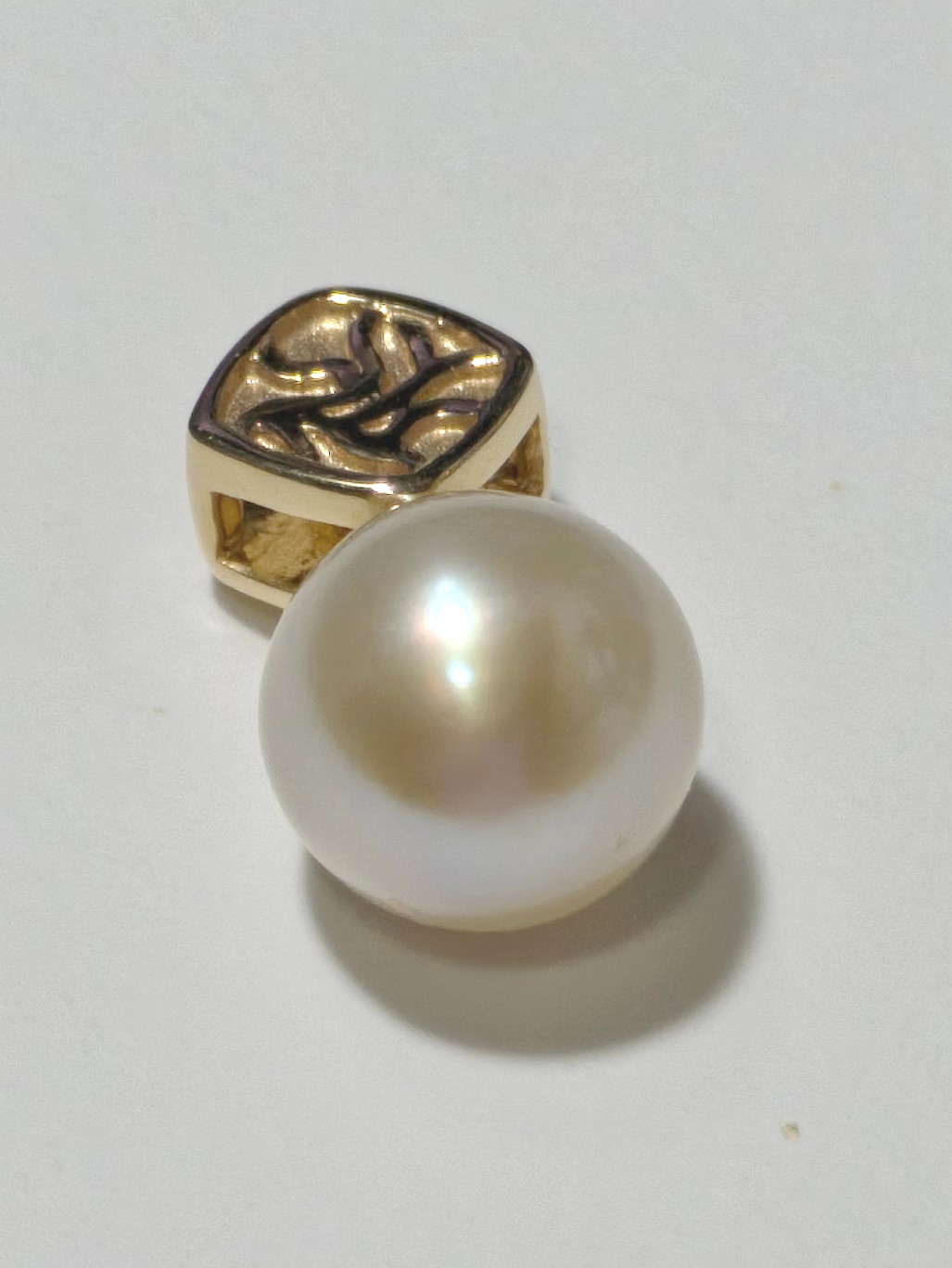
The pearl is an untreated akoya pearl, with a natural creamy colour and a silky lustre. Judging from the colour of the reflection on the underside of the pearl, it also has a subtle yellow (golden) overtone.
According to the previous forum thread and store FAQ, pearls from PoA didn't undergo any treatment, including maeshori (the Japanese for “pre-treatment”, a special bleaching process done before pinking), which most Japanese akoya pearls are subjected to. Some might find the natural cream/yellowish colour and the lack of mirror finish “un-akoya-like” and prefer the refined, delicated look of Japanese akoya pearls, while some might appreciate the natural beauty of Australian akoya pearls. It is more of the matter of personal taste.
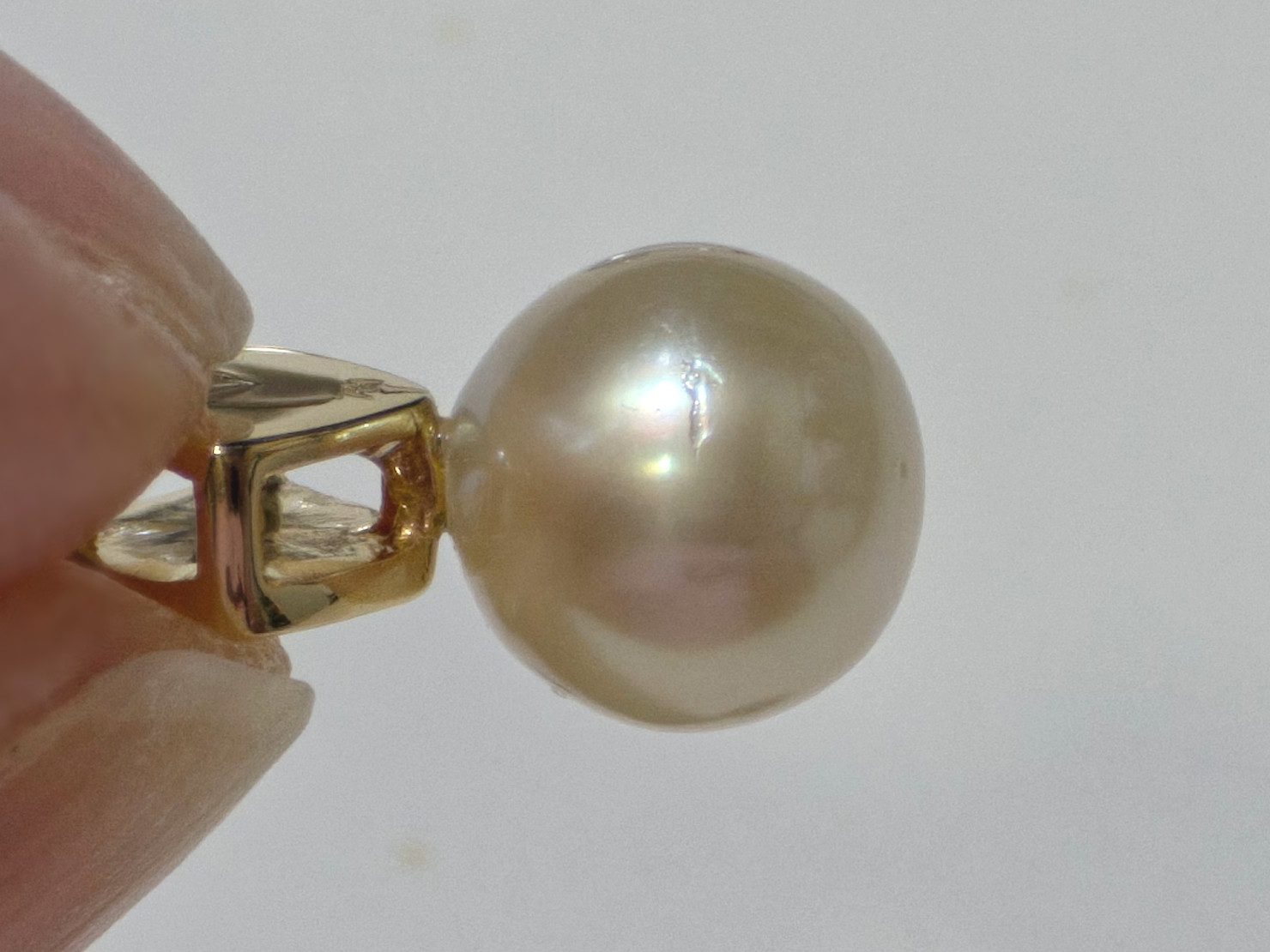
By Pearls of Australia's standard, AAA means “clean/lightly blemished”. There is one at the side of the pearl, and two pin holes at the bottom; neither are visible when you wear the pendant, though.
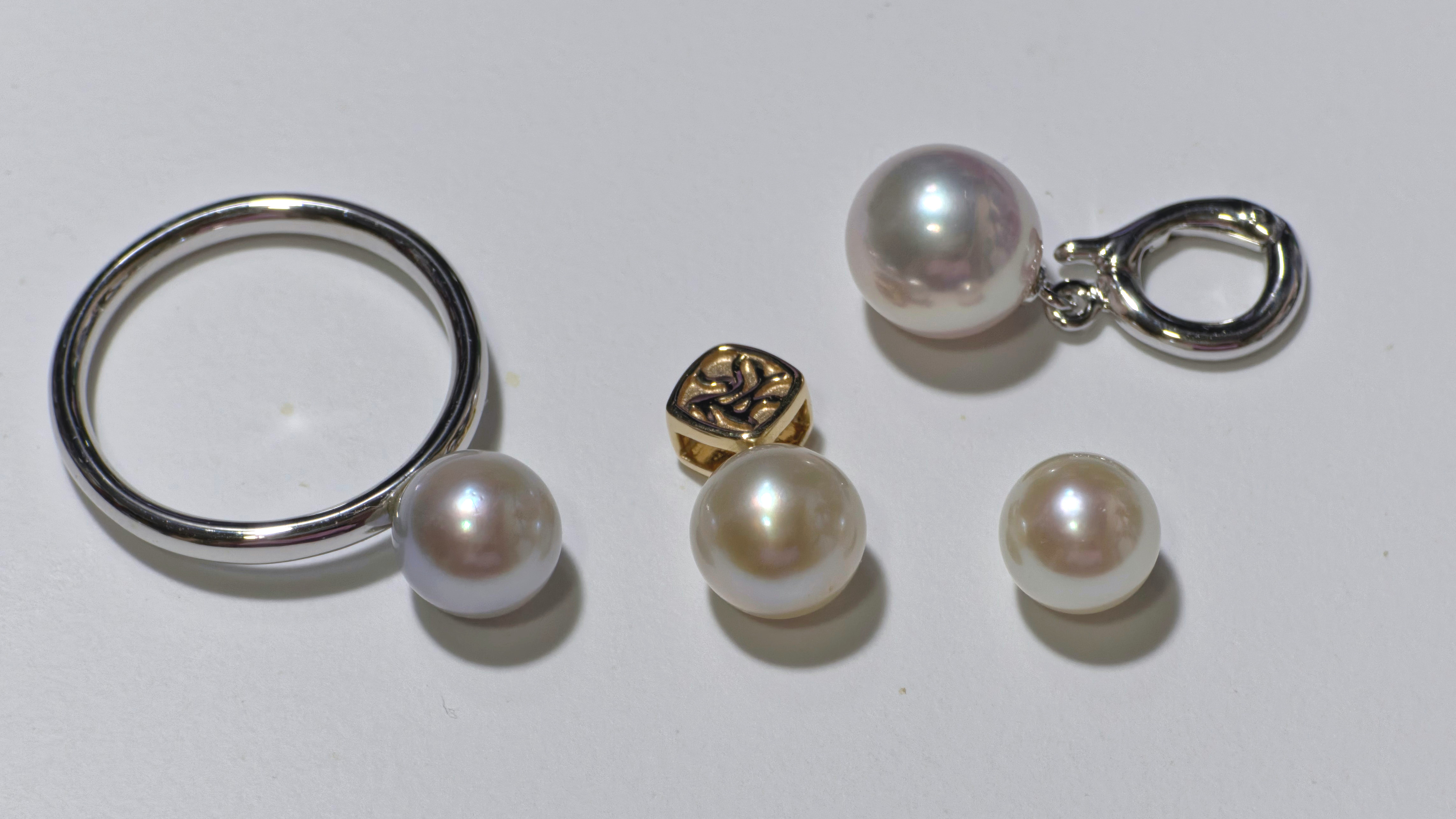
Group photo with other akoya pearls.
Front (left to right): untreated HK akoya, seagrass pendant (Australian akoya), HK akoya (treatment status unknown)
Back: above averge to good quality Japanese akoya, treated
The pearl ring is bought from a local jewellery store which carries pearls grown in Hong Kong. The pearl was harvested from a recreational fish raft which grows pearls as a tourist attraction. The salesperson said that the pearl was untreated, which IMO is highly believable considering the miniscule scale of the “pearl farm” and the look of the pearl.
The loose pearl was part of the HK akoya pearl jewellery DIY kit came from a pearl company called The Pearl Farm. The company has a pearl farm in Sai Kung which doubles as a workshop for guided tours. It wasn't specified whether the pearl was treated; it has a smoother polish and a pinkish colour (or maybe overtone), but still has a light cream body colour.
The akoya pearl at the back is bought at a Japanese pearl jewellery fair. It has the typical Japanese akoya look: a light pink body colour with a mirror-like lustre. It was sold by a Japanese pearl jewellery company, wasn't advertised as “untreated” and relatively cheap compared to the untreated, certified madama pearls sold in the fair, so it is very likely treated.
As you can see, there is a stark contrast between treated and untreated akoya pearls despite all being grown from the same species of pearl oyster, Pinctada fucata. Not only do the untreated pearls have more varied body colours, but they also have a somewhat “opaque” look compared to the treated Japanese akoya pearl, and a silky lustre more resembling that of South Sea pearls than (treated) akoya pearls.
I guess the differences are probably due to the fact that the conchiolin layers are unbleached. The semi-transparent yellow/brown layers create the cream or dark grey body colour and diffuse the light reflecting from the aragonite layers, softening the reflections. It is said that Japanese treat their akoya pearls to “draw out the original beauty within the pearl”, and pinking is to “add back” the pinkish colour lost during the process (as well as making pearl matching easier); seeing how much treated pearls look differently from their untreated counterparts, it is easy to understand why Japanese consider akoya pearl treatment acceptable or even a necessity to achieve their goal of recreating that delicate pink and airy, crystal-like appearance found in the rarest akoya pearls.
What is your opinion about treated and untreated akoya pearls? I adore the traditional beauty of Japanese akoya pearls, but also find the untreated pearls has their own beauty; they are so unlike that it is rather pointless or even borderline snobbish to claim that one must be superior to another. I consider myself more of a collector type of person, so both are welcomed, and what's more to ask for with this dainty little pearl pendant?
Australian akoya pearl - any good?
I finally decided to buy a pendant from Pearls of Australia, a pearling company known for selling akoya pearls harvested from their Broken Bay pearl farm.
The parcel didn't take long to arrive.
The parcel contains a thankyou card, a gift box with the pendant inside, an envelope with the receipt and a brochure about their farm, and a cute little jewellery pouch.
The gift box is a simple cardboard box with the name and the logo of the company printed on it. I like the understated design.
There it is, the seagrass pearl pendant.
According to the company, Seagrass Collection is inspired by the flowy seagrass growing in their pearl farm. Aside from the neoprene bracelets, jewelleries from the collection all feature one or more small, squarish seagrass motifs made of gold, complimented by untreated akoya pearls grown and harvested from Broken Bay pearl farm.
Item description of the pendant:
An elegant Seagrass Pearl Pendant featuring Broken Bay (NSW) grown 7.5mm AAA grade Australian Akoya pearl, set in gold.
The gold motif is available in yellow gold, white gold and rose gold, each with 9kt and 18kt option. I chose 18kt yellow gold.
Close-up photos of the pendant:
The bail features a mirror-polish seagrass motif on a matte background. The company logo and a 750 (18kt) gold stamp is on the back of the bail.
The pearl is an untreated akoya pearl, with a natural creamy colour and a silky lustre. Judging from the colour of the reflection on the underside of the pearl, it also has a subtle yellow (golden) overtone.
According to the previous forum thread and store FAQ, pearls from PoA didn't undergo any treatment, including maeshori (the Japanese for “pre-treatment”, a special bleaching process done before pinking), which most Japanese akoya pearls are subjected to. Some might find the natural cream/yellowish colour and the lack of mirror finish “un-akoya-like” and prefer the refined, delicated look of Japanese akoya pearls, while some might appreciate the natural beauty of Australian akoya pearls. It is more of the matter of personal taste.
By Pearls of Australia's standard, AAA means “clean/lightly blemished”. There is one at the side of the pearl, and two pin holes at the bottom; neither are visible when you wear the pendant, though.
Group photo with other akoya pearls.
Front (left to right): untreated HK akoya, seagrass pendant (Australian akoya), HK akoya (treatment status unknown)
Back: above averge to good quality Japanese akoya, treated
The pearl ring is bought from a local jewellery store which carries pearls grown in Hong Kong. The pearl was harvested from a recreational fish raft which grows pearls as a tourist attraction. The salesperson said that the pearl was untreated, which IMO is highly believable considering the miniscule scale of the “pearl farm” and the look of the pearl.
The loose pearl was part of the HK akoya pearl jewellery DIY kit came from a pearl company called The Pearl Farm. The company has a pearl farm in Sai Kung which doubles as a workshop for guided tours. It wasn't specified whether the pearl was treated; it has a smoother polish and a pinkish colour (or maybe overtone), but still has a light cream body colour.
The akoya pearl at the back is bought at a Japanese pearl jewellery fair. It has the typical Japanese akoya look: a light pink body colour with a mirror-like lustre. It was sold by a Japanese pearl jewellery company, wasn't advertised as “untreated” and relatively cheap compared to the untreated, certified madama pearls sold in the fair, so it is very likely treated.
As you can see, there is a stark contrast between treated and untreated akoya pearls despite all being grown from the same species of pearl oyster, Pinctada fucata. Not only do the untreated pearls have more varied body colours, but they also have a somewhat “opaque” look compared to the treated Japanese akoya pearl, and a silky lustre more resembling that of South Sea pearls than (treated) akoya pearls.
I guess the differences are probably due to the fact that the conchiolin layers are unbleached. The semi-transparent yellow/brown layers create the cream or dark grey body colour and diffuse the light reflecting from the aragonite layers, softening the reflections. It is said that Japanese treat their akoya pearls to “draw out the original beauty within the pearl”, and pinking is to “add back” the pinkish colour lost during the process (as well as making pearl matching easier); seeing how much treated pearls look differently from their untreated counterparts, it is easy to understand why Japanese consider akoya pearl treatment acceptable or even a necessity to achieve their goal of recreating that delicate pink and airy, crystal-like appearance found in the rarest akoya pearls.
What is your opinion about treated and untreated akoya pearls? I adore the traditional beauty of Japanese akoya pearls, but also find the untreated pearls has their own beauty; they are so unlike that it is rather pointless or even borderline snobbish to claim that one must be superior to another. I consider myself more of a collector type of person, so both are welcomed, and what's more to ask for with this dainty little pearl pendant?
Last edited:

 My only regret is not having enough pearl budget to buy the necklace, the design looks so elegant!


