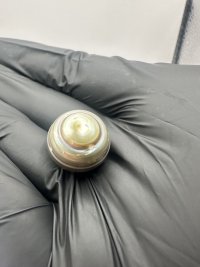
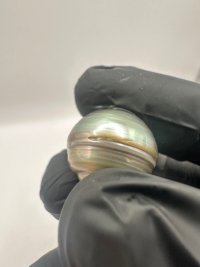
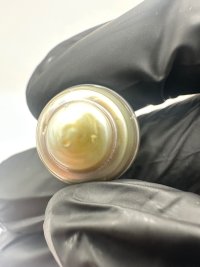
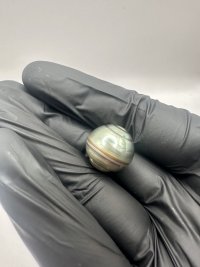
Identification & Advice Needed: Large Tahitian Pearl Parcel (Found in box)

Scratchcardsam

New Member
Joined
Dec 18, 2025
Messages
3
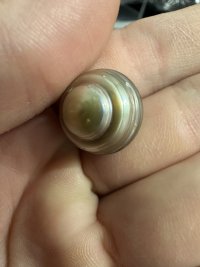
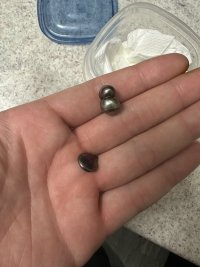
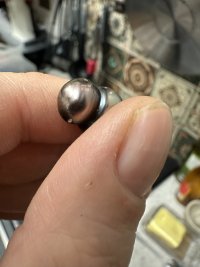
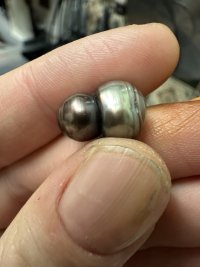
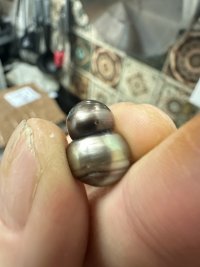
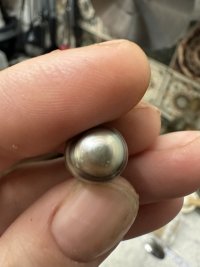
Hi everyone! I’m looking for some insight into three pearls I’ve recently come across. I’ve done some basic "at-home" checks, but I’d love the group’s expert opinion on their quality and potential.


The Details:


• Variety: Believed to be Tahitian (Pinctada margaritifera).


• The "Grit" Test: All three have a distinct gritty/sandpaper feel when rubbed together (not smooth/glassy).


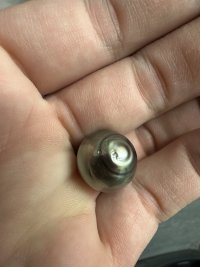
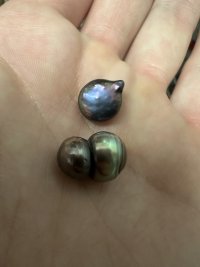
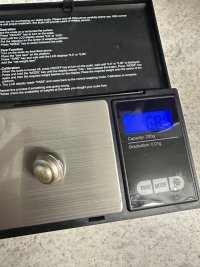
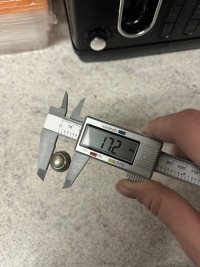
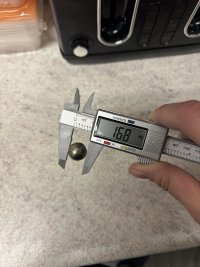
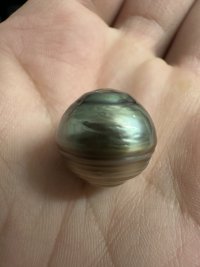
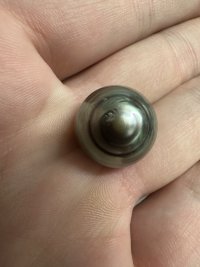
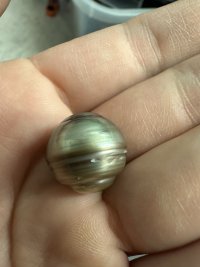
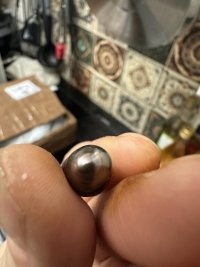
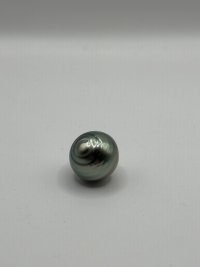
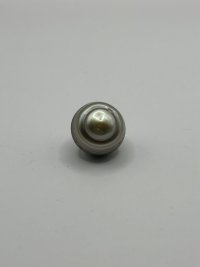
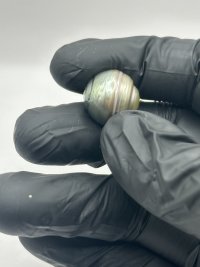
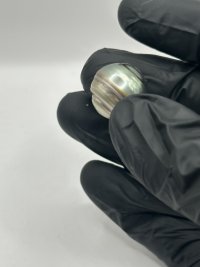
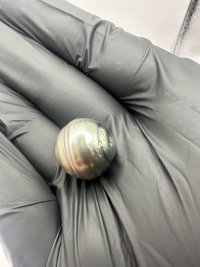
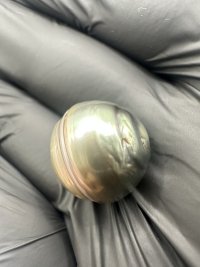
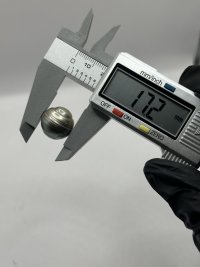
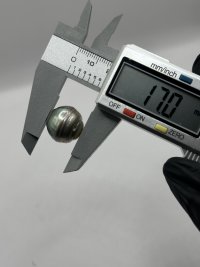
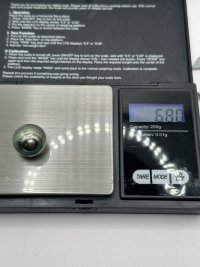
• The Hero Stone: A massive circled specimen measuring 17.2mm and weighing 6.8 grams. It is undrilled with very high luster and peacock/silver overtones.


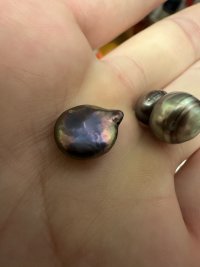
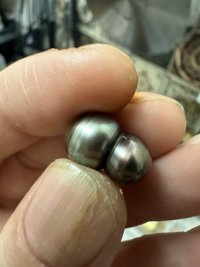
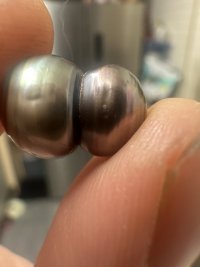
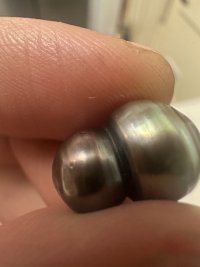
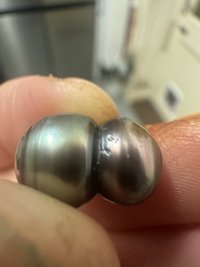
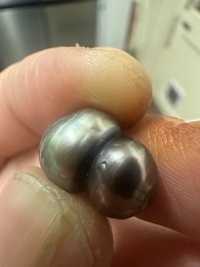
• The Twin: A large "Double Baroque" or twin pearl, also undrilled.


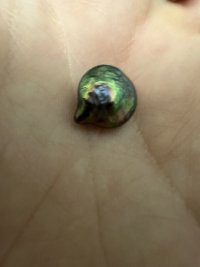
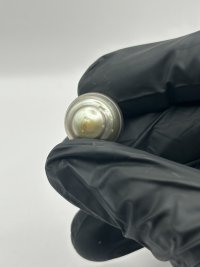
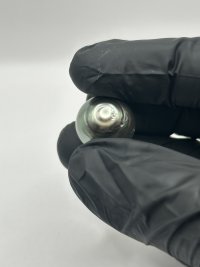
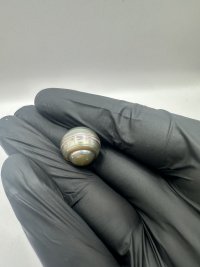
• The Flat: A smaller button-shaped pearl with a very flat underside. Is drilled at the point end


Questions:


1. Given the 17mm+ size and 6.8g weight, how rare is this specific specimen?


2. Are these shapes usually kept as a set for specific types of jewelry?


3. Based on the photos, would you recommend sending these to GIA or a UK-based lab (like AnchorCert) for a formal pearl report?


I’m located in Lincolnshire, UK, if anyone knows of a pearl specialist in the East Midlands. Thank you in advance for any help!
 

Attachments

  • IMG_4679.jpeg
    IMG_4679.jpeg
    1.1 MB · Views: 22
  • IMG_4689.jpeg
    IMG_4689.jpeg
    786.1 KB · Views: 17
  • IMG_4674.jpeg
    IMG_4674.jpeg
    1.5 MB · Views: 15
  • IMG_4671.jpeg
    IMG_4671.jpeg
    1.6 MB · Views: 15
  • IMG_4672.jpeg
    IMG_4672.jpeg
    1.6 MB · Views: 15
  • IMG_4675.jpeg
    IMG_4675.jpeg
    918.3 KB · Views: 15
  • IMG_4676.jpeg
    IMG_4676.jpeg
    1.1 MB · Views: 15
  • IMG_4678.jpeg
    IMG_4678.jpeg
    972.9 KB · Views: 13
  • IMG_4677.jpeg
    IMG_4677.jpeg
    931.7 KB · Views: 13
  • IMG_4688.jpeg
    IMG_4688.jpeg
    1.1 MB · Views: 13
  • IMG_4690.jpeg
    IMG_4690.jpeg
    848.8 KB · Views: 13
  • IMG_4691.jpeg
    IMG_4691.jpeg
    770.3 KB · Views: 13
  • IMG_4693.jpeg
    IMG_4693.jpeg
    858.5 KB · Views: 13
  • IMG_4692.jpeg
    IMG_4692.jpeg
    923.4 KB · Views: 14
  • IMG_4694.jpeg
    IMG_4694.jpeg
    707 KB · Views: 14
  • IMG_4696.jpeg
    IMG_4696.jpeg
    925.6 KB · Views: 14
  • IMG_4695.jpeg
    IMG_4695.jpeg
    850.8 KB · Views: 15
  • IMG_4697.jpeg
    IMG_4697.jpeg
    1,006.9 KB · Views: 19
1. The flat drilled one is a dyed cultured freshwater "second harvest" pearl.
This is how these pearls come to be: The freshwater mussel has a bit of donor mantle tissue implanted in its own mantle, which grows into a pearl sac and secretes nacre, making a pearl. (Usually many such bits of tissue are implanted at the same time in each mussel, so that at harvest time, many pearls are harvested from each mussel.)
When those pearls are harvested, instead of sacrificing the FW mussel, it is often returned to the water to make more pearls in the existing pearl sacs. In some cases a bead of some shape or other is implanted in the sac, so that the second harvest pearl forms in the shape of the bead. Coins, stars, crosses etc.
Freshwater pearls are very common, and this drilled pearl, though pretty, is not of high value.

2. The other two look to me like cultured Tahitian pearls. You could have them drilled and make some jewelry from them if you like.
The larger of the two could be drilled with a large hole and strung on leather to make a very nice necklace; the smaller could work as a leather bracelet. I made several leather necklaces for my husband with such pearls.
Check out the Mana bracelets and necklaces made by Kamoka Pearls. Search: 31 results found for "mana" – Kamoka Pearl (https://kamokapearls.com/search?q=mana&submit=&options%5Bprefix%5D=last)

If that doesn't appeal to you, you could just list them online to sell. Someone may want to buy them to drill or just to enjoy looking at. Or you could keep them to just enjoy looking at them.

I don't recommend sending them to a lab to have them certified. It is not necessary. Being baroque, they are not so valuable as to need that.
 
1. The flat drilled one is a dyed cultured freshwater "second harvest" pearl.
This is how these pearls come to be: The freshwater mussel has a bit of donor mantle tissue implanted in its own mantle, which grows into a pearl sac and secretes nacre, making a pearl. (Usually many such bits of tissue are implanted at the same time in each mussel, so that at harvest time, many pearls are harvested from each mussel.)
When those pearls are harvested, instead of sacrificing the FW mussel, it is often returned to the water to make more pearls in the existing pearl sacs. In some cases a bead of some shape or other is implanted in the sac, so that the second harvest pearl forms in the shape of the bead. Coins, stars, crosses etc.
Freshwater pearls are very common, and this drilled pearl, though pretty, is not of high value.

2. The other two look to me like cultured Tahitian pearls. You could have them drilled and make some jewelry from them if you like.
The larger of the two could be drilled with a large hole and strung on leather to make a very nice necklace; the smaller could work as a leather bracelet. I made several leather necklaces for my husband with such pearls.
Check out the Mana bracelets and necklaces made by Kamoka Pearls. Search: 31 results found for "mana" – Kamoka Pearl (https://kamokapearls.com/search?q=mana&submit=&options%5Bprefix%5D=last)

If that doesn't appeal to you, you could just list them online to sell. Someone may want to buy them to drill or just to enjoy looking at. Or you could keep them to just enjoy looking at them.

I don't recommend sending them to a lab to have them certified. It is not necessary. Being baroque, they are not so valuable as to need that.
Thank you for all that information! Is the larger one not very valuable even though it’s 17.2mm and weighs 6.8 grams?
 
The market prefers round pearls-- large round pearls are scarcer, and if it has great color and luster, a large round Tahitian can be quite valuable!

Baroque and circled pearls are more common, and thus have a lower market value than rounds. Blemishes reduce value also. So I would say, while it is a nice pearl, it would not be "very valuable".
 
1. The flat drilled one is a dyed cultured freshwater "second harvest" pearl.
This is how these pearls come to be: The freshwater mussel has a bit of donor mantle tissue implanted in its own mantle, which grows into a pearl sac and secretes nacre, making a pearl. (Usually many such bits of tissue are implanted at the same time in each mussel, so that at harvest time, many pearls are harvested from each mussel.)
When those pearls are harvested, instead of sacrificing the FW mussel, it is often returned to the water to make more pearls in the existing pearl sacs. In some cases a bead of some shape or other is implanted in the sac, so that the second harvest pearl forms in the shape of the bead. Coins, stars, crosses etc.
Freshwater pearls are very common, and this drilled pearl, though pretty, is not of high value.

2. The other two look to me like cultured Tahitian pearls. You could have them drilled and make some jewelry from them if you like.
The larger of the two could be drilled with a large hole and strung on leather to make a very nice necklace; the smaller could work as a leather bracelet. I made several leather necklaces for my husband with such pearls.
Check out the Mana bracelets and necklaces made by Kamoka Pearls. Search: 31 results found for "mana" – Kamoka Pearl (https://kamokapearls.com/search?q=mana&submit=&options%5Bprefix%5D=last)

If that doesn't appeal to you, you could just list them online to sell. Someone may want to buy them to drill or just to enjoy looking at. Or you could keep them to just enjoy looking at them.

I don't recommend sending them to a lab to have them certified. It is not necessary. Being baroque, they are not so valuable as to need that.
Hi Pearl Dreams!

There was a thread about OP's pics on the r/gemstones Subreddit that got a little heated because I thought these looked like irradiated freshwater cultured pearls to me, and the commenters there sent me here for your expertise. If you are willing to help me learn, can I ask how you can tell these are Tahitian rather than FWCP?

In all the nucleated pearls I've seen, some outline of the bead is much more pronounced.

I've been in the gem trade for 5 years or so, and gemmology for two years, and I have a good amount of experience with pearls but it's not my exclusive specialty.
 
Here are way better quality photos of the Large Pearl thanks for the help so far!
 

Attachments

  • IMG_4720.jpeg
    IMG_4720.jpeg
    827.8 KB · Views: 11
  • IMG_4721.jpeg
    IMG_4721.jpeg
    767.1 KB · Views: 10
  • IMG_4722.jpeg
    IMG_4722.jpeg
    788.1 KB · Views: 11
  • IMG_4723.jpeg
    IMG_4723.jpeg
    857.1 KB · Views: 10
  • IMG_4724.jpeg
    IMG_4724.jpeg
    823.3 KB · Views: 10
  • IMG_4725.jpeg
    IMG_4725.jpeg
    803.7 KB · Views: 10
  • IMG_4728.jpeg
    IMG_4728.jpeg
    979.5 KB · Views: 10
  • IMG_4727.jpeg
    IMG_4727.jpeg
    961.7 KB · Views: 10
  • IMG_4729.jpeg
    IMG_4729.jpeg
    1.2 MB · Views: 9
  • IMG_4730.jpeg
    IMG_4730.jpeg
    974.2 KB · Views: 9
  • IMG_4731.jpeg
    IMG_4731.jpeg
    1,004.9 KB · Views: 11
  • IMG_4732.jpeg
    IMG_4732.jpeg
    1 MB · Views: 10
  • IMG_4733.jpeg
    IMG_4733.jpeg
    983 KB · Views: 10
  • IMG_4734.jpeg
    IMG_4734.jpeg
    1.2 MB · Views: 10
  • IMG_4735.jpeg
    IMG_4735.jpeg
    1.2 MB · Views: 10
  • IMG_4736.jpeg
    IMG_4736.jpeg
    1.6 MB · Views: 10
Back
Top